In today’s world, women often juggle many roles, from professionals and caregivers to entrepreneurs and students. While multitasking can be a strength, it often means personal health gets neglected. Understanding nutrition for women is the first step to regaining your energy and ensuring long-term health. A woman’s nutritional needs are unique and change throughout different life stages, including puberty, pregnancy, and menopause. To maintain a healthy lifestyle, focus on nutrient density rather than just counting calories. Below, we explore ten important rules every woman should follow to improve her health. –
1. Prioritize Whole, Unprocessed Foods –
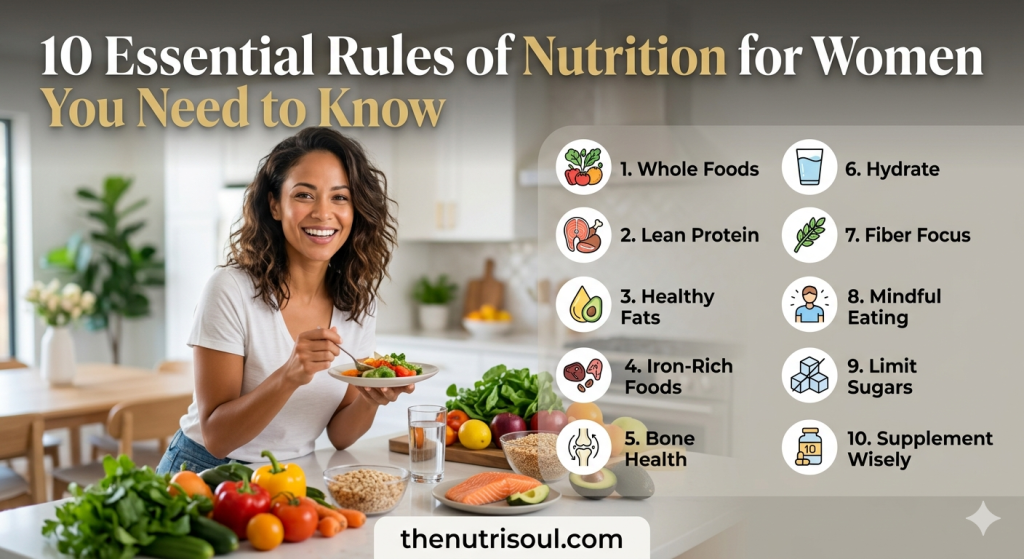
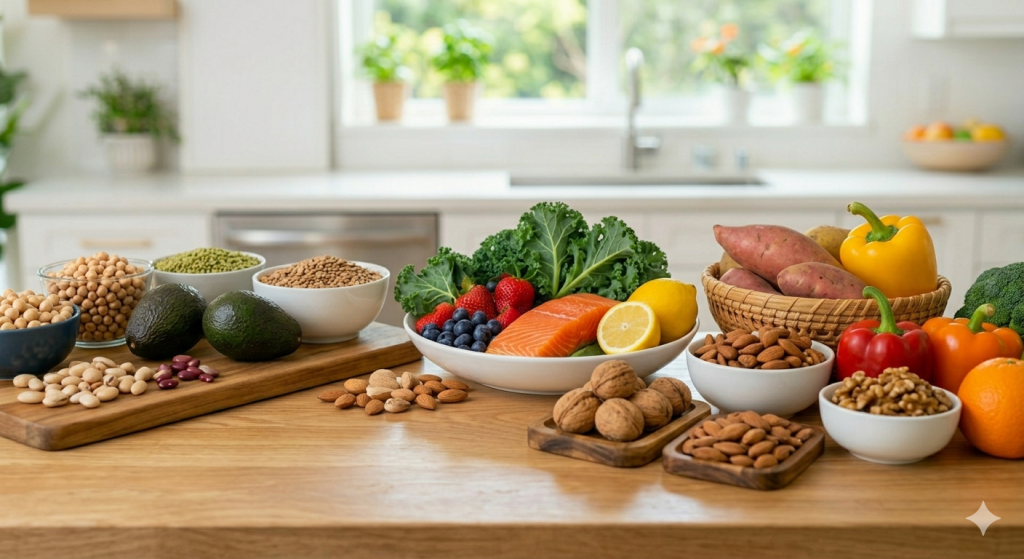
The key rule of nutrition for women is to eat food in its most natural form. Whole foods like fruits, vegetables, legumes, and whole grains are rich in vitamins, minerals, and antioxidants. Steering clear of processed foods lowers your intake of hidden sugars, unhealthy trans fats, and excessive sodium, which can contribute to chronic fatigue and inflammation.
2. Lean Protein for Muscle and Metabolism –
Protein is important for more than just building muscle; it also supports hormone production and immune function. For women, including lean proteins like poultry, fish, beans, and tofu helps maintain muscle mass, which tends to decline with age, and keeps the metabolism functioning well. Try to add a protein source to every meal to manage hunger.
3. Embrace Healthy Fats for Hormonal Balance –
Fat was once avoided, but we now understand that healthy fats are vital for nutrition for women. Omega-3 fatty acids, found in walnuts, flaxseeds, and fatty fish, are crucial for brain health and reducing menstrual inflammation. Monounsaturated fats from avocados and olive oil help produce estrogen and other important hormones.
4. Optimize Your Iron Intake –
Iron deficiency is a common issue for women due to blood loss during menstruation. Low iron levels can lead to anemia, which causes extreme tiredness and weakness. Include iron-rich foods like spinach, lentils, and lean red meats in your diet. Pairing these with foods rich in vitamin C can greatly improve iron absorption.
5. Don’t Neglect Bone-Supporting Nutrients –
Women are more likely to develop osteoporosis, making calcium and vitamin D essential parts of your daily routine. While dairy is a common source, you can also find calcium in fortified plant milks, kale, and sardines. Vitamin D is crucial for calcium absorption, so ensure you get enough sunlight or consider supplements.
Take Control of Your Wellness Journey. Ready to transform your health with science-backed insights? Visit thenutrisoul.com for more resources on personalized nutrition and holistic wellness.
6. Hydration: The Foundation of Vitality –
Water is an unsung hero of nutrition for women. It aids digestion, keeps your skin healthy, and helps your kidneys remove toxins. Even slight dehydration can cause brain fog and cravings. Aim for at least 2-3 liters a day, and remember that herbal teas and water-rich fruits like watermelon also count towards your total intake.
7. Focus on Fiber for Digestive Health –
A fiber-rich diet is important for gut health and blood sugar control. Fiber helps you feel full longer, which assists with weight management, and plays a role in eliminating excess hormones from the body. Aim for 25 grams of fiber a day through various berries, vegetables, and seeds.
8. Mindful Eating and Portion Awareness –
It’s not just about what you eat, but also how you eat. Mindful eating means being aware of your hunger and fullness signals. In our busy lives, we often eat quickly, which can lead to overeating and poor digestion. Taking time to sit for meals and chew thoroughly enables your body to process nutrients more effectively.
9. Limit Refined Sugars and Liquid Calories –
Refined sugars disrupt nutrition for women by causing insulin spikes that lead to energy crashes and mood swings. Be cautious of hidden sugars in salad dressings, “healthy” granola bars, and sugary coffee drinks. Instead, choose the natural sweetness found in whole fruits to keep your energy stable.
10. Supplement Wisely and Individually –
While a “food first” approach is best, certain life stages or dietary restrictions may require supplements. Whether it’s folic acid during childbearing years or B12 for those on a plant-based diet, use supplements to fill nutritional gaps, not to replace meals. Always consult with a professional to create a plan that suits your individual needs.
Final Thoughts Achieving optimal health is a long-term journey. By following these 10 essential rules, you are building a strong body and a sharp mind. Remember that nutrition for women is about nourishment, not restriction. For more detailed guides and health tips, visit thenutrisoul.com and join a community focused on healthy living.